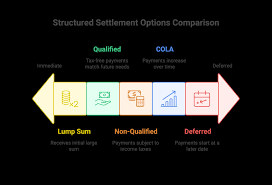
A CEO-Friendly Guide to Selecting Trusted Partners for Structured Settlements
Disclaimer: This guide is educational. Structured settlements involve legal and financial considerations. Decisions should be made with professional advice.
1. Introduction: Why Choosing the Right Broker Matters
Structured settlements are financial arrangements where claimants receive periodic payments from a settlement award. These arrangements are often long-term, sometimes spanning decades.
Choosing the right broker is critical because they:
- Represent your financial interests
- Help navigate legal and financial complexities
- Facilitate fair valuations and timely transactions
For CEOs and professional investors, selecting a broker is like vetting a strategic business partner—credibility, transparency, and process matter more than flashy promises.
2. Understanding Structured Settlements
2.1 What Is a Structured Settlement?
- A structured settlement converts a lump-sum award (like from a lawsuit) into scheduled payments over time.
- Provides financial security and risk management for recipients.
2.2 Role of a Broker
- Brokers connect sellers of structured settlements with qualified buyers.
- They handle negotiation, compliance, and legal documentation.
- Their goal is to maximize value while protecting the client’s interests.
3. Key Criteria for Selecting a Broker
3.1 Licensing and Credentials
- Ensure the broker is licensed in your jurisdiction.
- Memberships in professional organizations like the National Association of Settlement Purchasers (NASP) or state-specific regulatory bodies are strong indicators of credibility.
3.2 Reputation and Track Record
- Research client testimonials, industry reviews, and historical transactions.
- Brokers with a long-standing, clean track record indicate reliability.
3.3 Transparency in Fees and Terms
- Avoid brokers who obscure fees or provide vague valuations.
- Clear disclosure of commissions, transaction costs, and expected net proceeds is essential.
3.4 Experience With Your Type of Settlement
- Different settlements (personal injury, workers’ compensation, lottery winnings) may have unique requirements.
- Choose a broker familiar with your settlement type and jurisdiction.
4. Assessing Broker Services
4.1 Valuation Accuracy
- The broker should provide a fair market valuation of your settlement.
- Independent second opinions are recommended for CEO-level diligence.
4.2 Legal and Compliance Support
- A good broker ensures compliance with state and federal laws, including court approvals where necessary.
- They coordinate with attorneys and financial advisors to protect your interests.
4.3 Customer Service and Communication
- Clear communication, responsiveness, and professionalism are vital.
- Look for brokers who explain processes and timelines clearly.
5. Risk Management Considerations
5.1 Protecting Your Long-Term Financial Interests
- Ensure the broker prioritizes your financial goals over quick transactions.
- Avoid brokers pushing immediate lump-sum sales without a clear rationale.
5.2 Evaluating Buyer Networks
- Top brokers have access to a diverse network of qualified buyers, ensuring competitive offers.
- Limited buyer pools may reduce leverage and net proceeds.
5.3 Transparency on Fees and Net Proceeds
- Know exactly what you will receive after all costs.
- Hidden fees can significantly reduce the settlement’s effective value.
6. CEO-Friendly Evaluation Checklist
| Criteria | Questions to Ask | CEO Consideration |
|---|---|---|
| Licensing & Credentials | Are they licensed and regulated? | Regulatory compliance ensures legal protection |
| Reputation | What is their track record and client feedback? | Past performance is indicative of reliability |
| Valuation & Offers | How do they determine fair market value? | Accurate valuation protects long-term interests |
| Legal Support | Do they coordinate with attorneys and courts? | Legal compliance reduces risk |
| Fees Transparency | Are all fees clearly disclosed? | Avoid surprises; maximize net proceeds |
| Buyer Network | How broad is their buyer base? | Competitive offers ensure best value |
| Communication | Are they responsive and transparent? | Smooth process reduces stress and errors |
7. Due Diligence Steps
- Research multiple brokers before engagement.
- Check credentials and regulatory history.
- Request detailed fee schedules.
- Ask for case studies or past transaction examples.
- Consult with an attorney or financial advisor to review offers.
- Compare multiple offers before finalizing.
8. Red Flags to Avoid
- Promises of unusually high upfront payments.
- Brokers unwilling to provide documentation or references.
- Hidden fees or vague terms.
- Pressure to act immediately without time to evaluate.
9. Strategic CEO Perspective
Choosing a structured settlement broker is a high-stakes financial decision, similar to selecting a strategic partner or advisor. CEOs should:
- Treat it as risk management.
- Prioritize process, transparency, and compliance over short-term gains.
- Ensure that all agreements are aligned with long-term financial strategy.
10. Conclusion
Selecting the right structured settlement broker requires due diligence, strategic evaluation, and process discipline. Key takeaways:
- Verify licensing, credentials, and regulatory compliance.
- Evaluate reputation, track record, and experience with your settlement type.
- Ensure transparency in fees, valuation, and transaction processes.
- Prioritize legal compliance, risk management, and buyer networks.
- Conduct thorough due diligence and compare multiple offers.
“The right broker protects your capital, ensures compliance, and maximizes value—treat the selection as a strategic partnership, not just a transaction.”
Summary:
A prospective seller of a structured settlement payment is better served utilizing the services of a structured settlement broker rather than approaching a buyer directly. The same is true for an individual who is about to come into a large sum of money via a structured settlement payment.
Keywords:
Structured settlement broker, finance
Article Body:
A prospective seller of a structured settlement payment is better served utilizing the services of a structured settlement broker rather than approaching a buyer directly. The same is true for an individual who is about to come into a large sum of money via a structured settlement payment. This is because with a broker mediating a deal, it works out best for all the parties involved.
While selling a structured settlement, taking help from a broker is recommended as a broker maintains professional contacts with several underwriters and is thus in a position to offer the best deal to a seller. One should ensure that the broker is not working exclusively for a selected few underwriters as it may result in lower lump sum payments.
A seller can take help from an attorney who has had past dealings with structured settlement brokers and knows the right questions to ask. One should focus queries on the cost of the process and time involved.
The broker should be experienced enough to handle the intricacies of a structured settlement and variables affected by individual situations. This ability makes an experienced broker a valuable asset in ensuring that the settlement process takes place fast and efficiently. The brokers should also possess all the means of communication so that time is not lost and there is less paper clutter at the client�s end.
A structured settlement broker can provide an indication of the costs and time involved in selling a structured settlement. The broker�s inputs will be useful in deciding the right amount of payments to sell. Alternatively, when an individual is obtaining a structured settlement payment through an out-of-court settlement or lottery winnings, the broker analyses the best possible payment scenario for his client after understanding his concerns. This helps the beneficiary in availing the settlement payments in the best possible manner. The broker�s efforts also involve imparting tax-planning and investment advice to his clients.
Ideally, the structured settlement broker should be registered with the Department of Justice, be registered in a state of America, and with one insurance company at least. Brokers should be insured against errors and omissions and should have a reputation for fair dealing.

Tinggalkan Balasan